Dashboard warning lights: small icons, big meaning
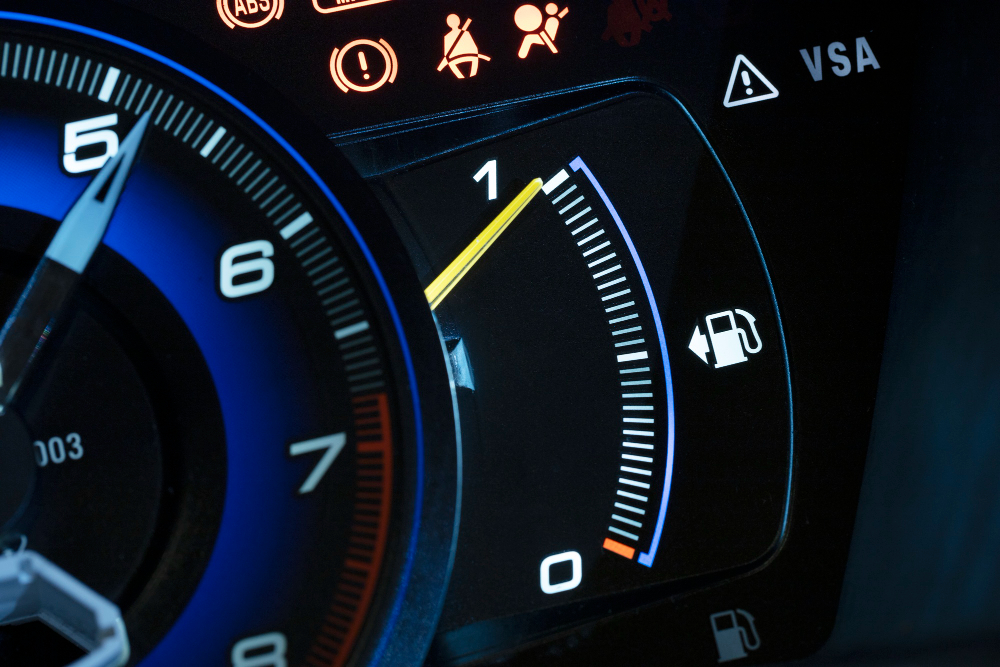
Even if you drive a new car, dashboard warning lights can turn on at the least expected moment. For the driver, calmness and confident decision-making are key: can I keep driving, or should I pull over? Below you’ll find a simple description of dashboard indicators, with an emphasis on passenger comfort and safety.
What does a dashboard light mean? First, check the color
The color tells you the urgency of the problem much faster than just the icon itself.
- Red dashboard lights: “stop” signal or “pull over immediately when safe”
- Orange dashboard lights: warning, usually you can keep driving, but don’t ignore it
- Yellow dashboard lights: information about limited system function or sensor malfunction
- Green dashboard light: active function (usually lights)

The most important warning lights in your car (and what to do calmly, step by step)
Oil warning light in your car
This is one of those warning lights you don’t want to test in real life.
What to do:
- Pull over to a safe place and switch off the engine
- Check the oil level if possible
- If the light won’t go out: do not continue driving, call for help
Engine warning light in your car
This light is often associated with panic, but most of the time it just means diagnostics are needed.
What to do:
- Steady light and car drives normally: drive gently, avoid high revs, and plan for a service check
- Blinking light or power loss: stop driving, as the risk of damage increases
Headlight indicator and other vehicle light warnings
In premium vehicles, you may often see a message about a headlamp or adaptive light failure.
What to do:
- Check which light isn’t working (low beam, brake light, turn signal)
- If it’s the low beam at night: don’t take risks, stop and fix the problem
If you need more information, in this article you’ll find explanations for the meaning of individual dashboard warnings.
Unusual dashboard lights: the ones that confuse drivers
Modern cars display a lot of “smart” icons.
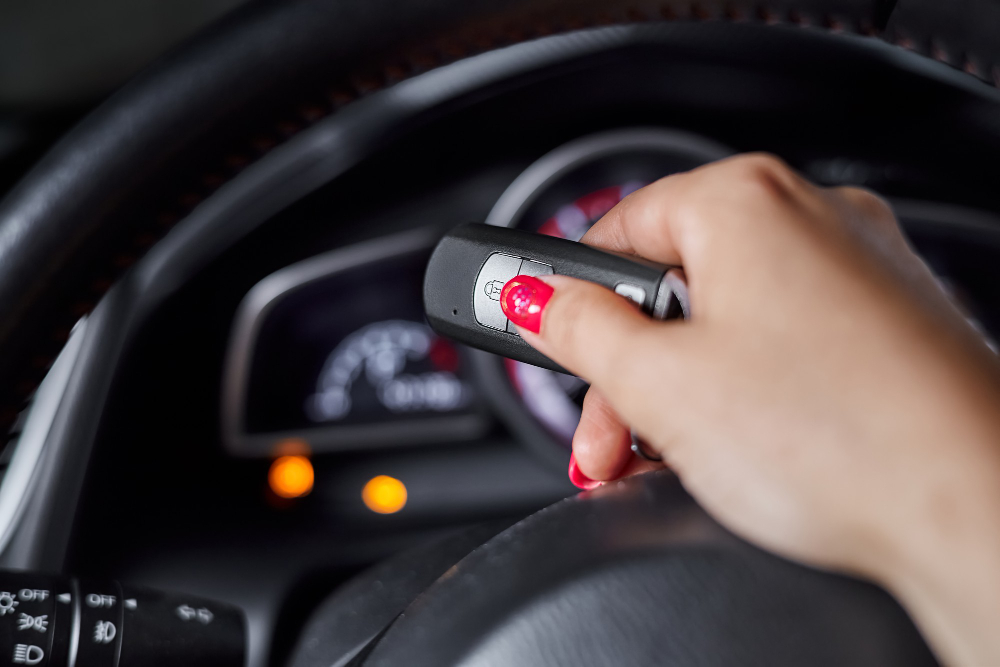
- Key indicator in the car: problem with detecting the key, sometimes a message about service needed or battery replacement in the remote
- Car skidding indicator: traction system is working (flashing) or is turned off/damaged (lit continuously)
- Assistant icons (lane assist, radar, blind spot): often yellow, not always a failure—sometimes just a dirty camera/sensor
All dashboard warning lights – how to approach it without memorizing them
In practice, you don’t need to know what every car dashboard warning light looks like. A simple routine is enough:
- Notice the color and read the message on the screen (if there is one)
- Assess the car’s behavior: sounds, power, temperature, smell
- If it’s red: stop safely
- If it’s yellow/orange: drive calmly, avoid dynamic driving, and schedule diagnostics
Table: dashboard warning light meanings for „premium drivers”
| Color | What it usually means | Safe response |
|---|---|---|
| Red | Risk of damage or danger | Pull over, stop, call for support |
| Orange | Issue to check | Drive calmly, plan for service |
| Yellow | Limited function | Be cautious, check sensors/conditions |
| Green | Information | Keep driving |
Dashboard warning lights and passenger comfort in premium rides
In premium services, dashboard warning lights are not just a technical matter—they also affect the comfort and image of the driver. When a warning comes on, a passenger will quickly sense a change in driving style or hear an unusual sound, so it’s best to react calmly and predictably. If it’s a yellow warning light, you can usually finish the ride, but drive smoothly and avoid sudden acceleration. For red warning lights, safety is the priority: it’s better to end the ride in a controlled manner than risk a breakdown while driving.
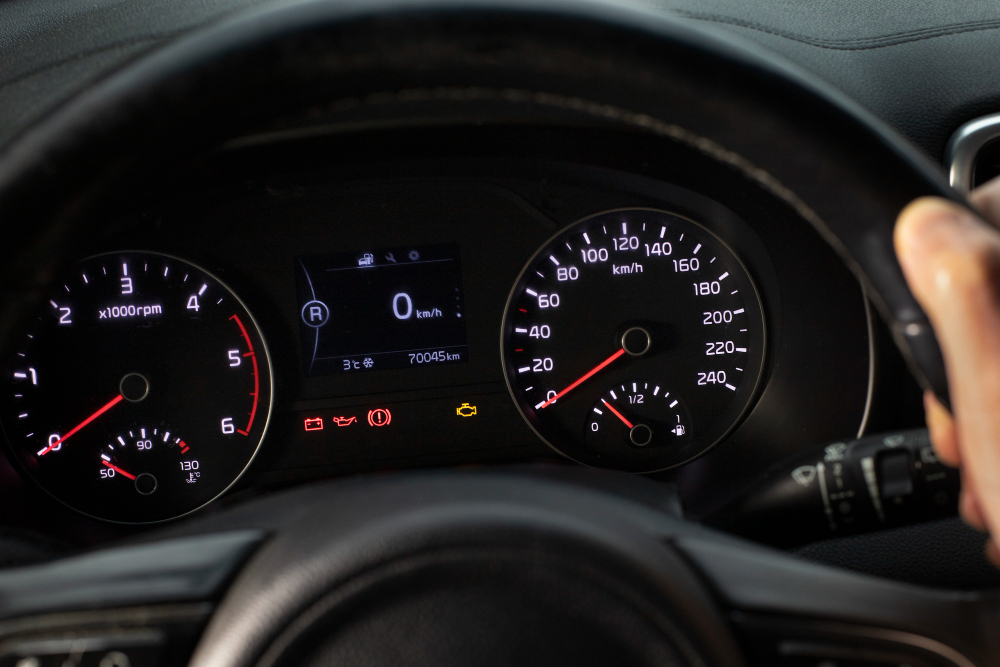
Quick “no panic” procedure when a warning light comes on
Instead of guessing what a given dashboard warning light means, follow a simple pattern that works in most situations. First, look at the color and read the message on the screen (in many cars you’ll get a short description, practically ready: what does the dashboard light mean). Then, assess the car’s behavior: power, temperature, smell, unusual vibrations, because these are often a more important clue than the icon itself.
If you see red-colored warning lights or a flashing indicator, pull over safely and call for support; for orange lights, plan diagnostics after the ride and avoid dynamic driving.
Summary
Dashboard warning lights in the car have one purpose: to give you time to react. When you know what a particular dashboard light means, you drive more calmly, without stress and without risk to passengers.
If you want, I can prepare a short “driver’s card” (one page) with the most important icons: what does a dashboard warning light mean, when to pull over, and when you can reach your destination.

luxury today!
Our rental vehicles
 Audi Q7
 Audi Q8
 Mercedes E-Class
 Mercedes S-Class
 Mercedes V Class – rental