Stay for a moment, because this topic most often “ruins the day” when you’re driving confidently and think you have everything under control. Sectional speed measurement works differently than most drivers intuitively assume: it’s not enough to slow down for a moment, what matters is the average speed over the entire section.
How does sectional speed measurement work and does it take photos?
The system identifies the vehicle at the start and end of the monitored section, then calculates the average speed. That’s why “how sectional speed measurement works” comes down to a simple equation: distance divided by time. Are there a lot of such measurements? Drivers associate control with the classic camera flash; however, in this measurement the most important thing is that registration suffices for settlement, even without a flashy “blitz.” If you have a passenger, the best tactic is smooth driving: a steady speed provides comfort and peace of mind.
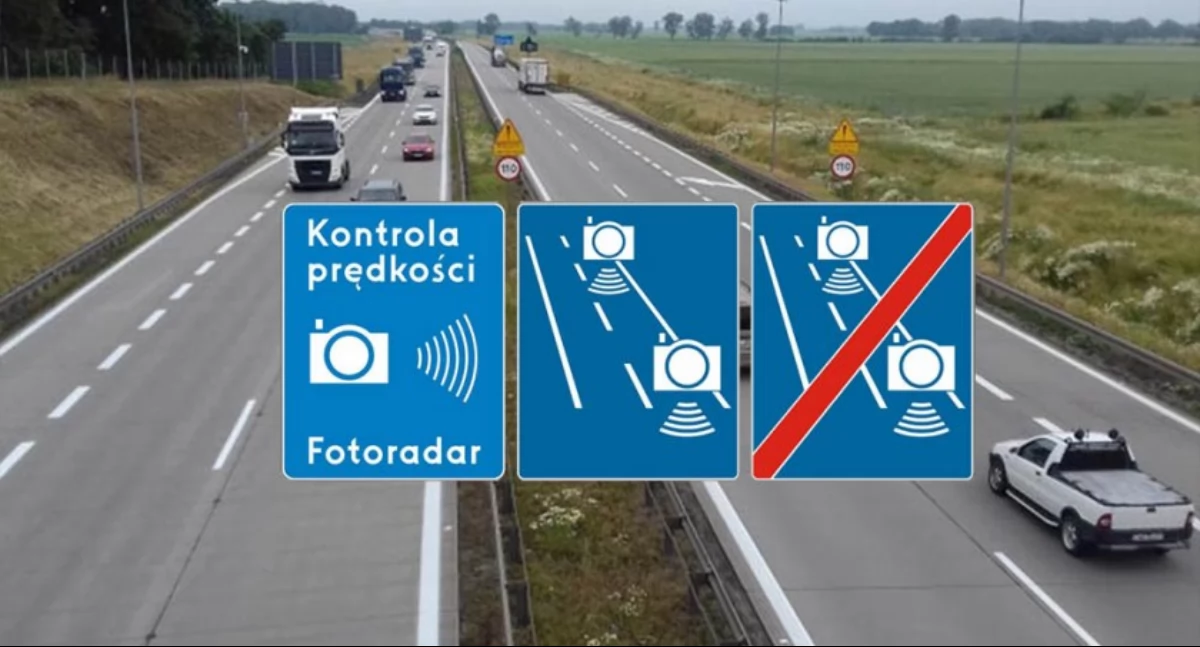
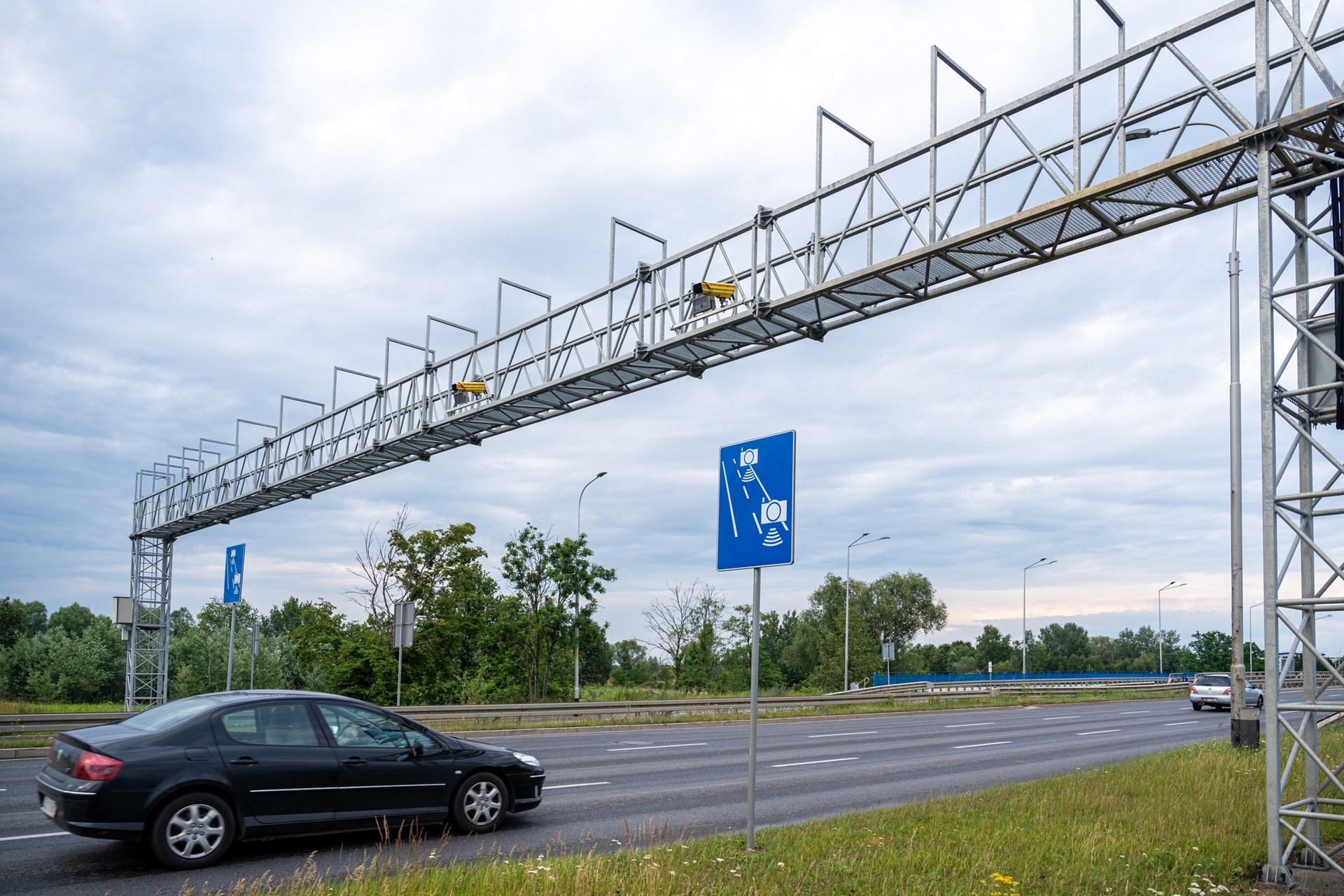
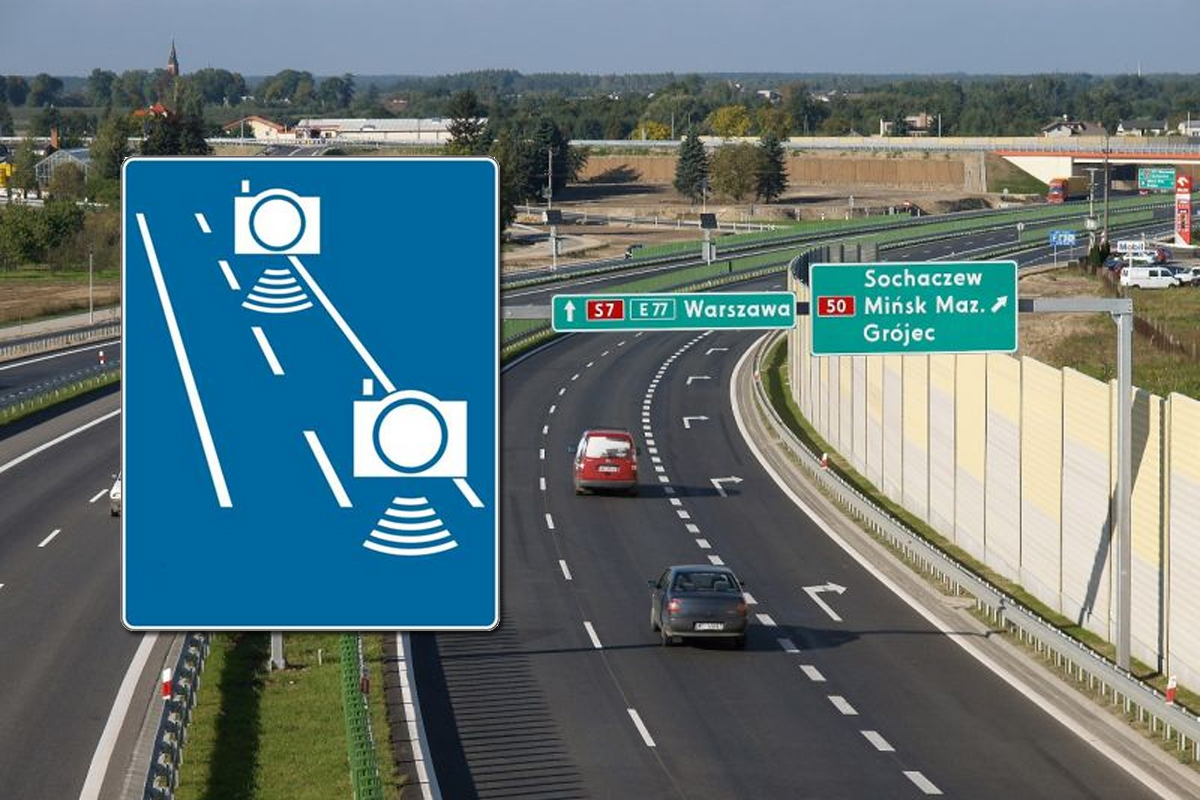
Sectional speed measurement signage: how not to get caught off guard
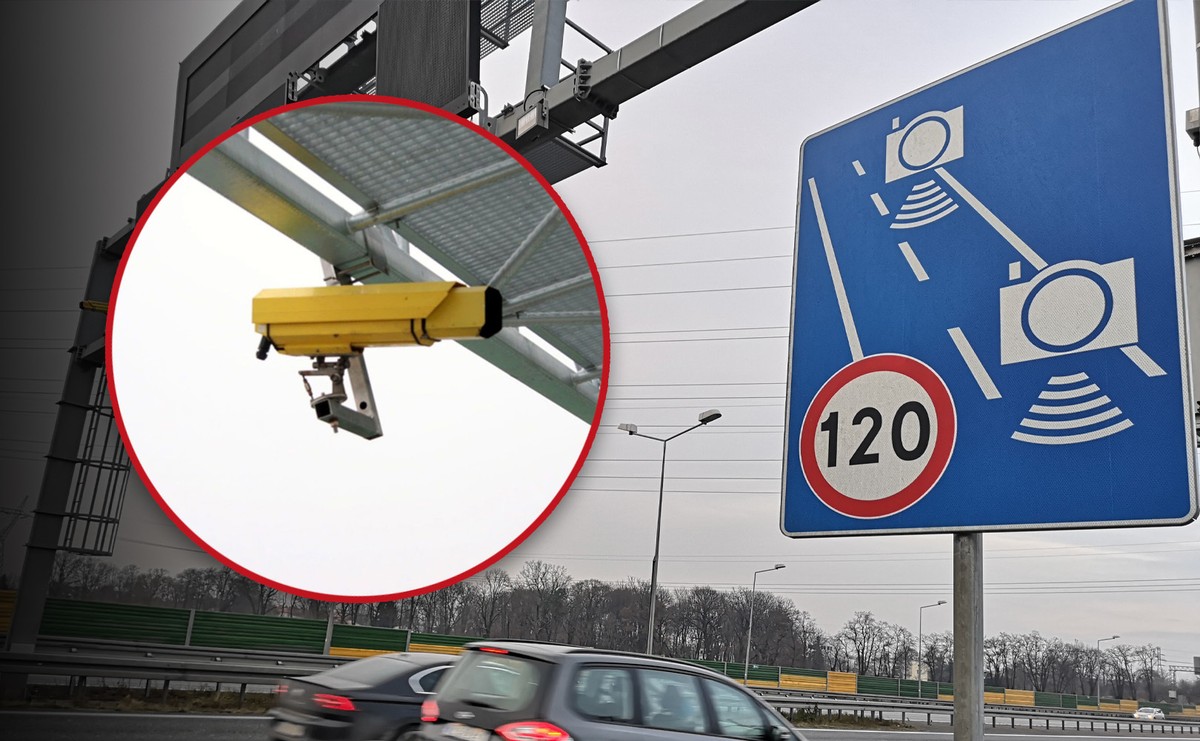
The signage for such measurements usually clearly shows the start and end of the section and the speed limit to watch for. In premium driving, predictability matters, so don’t make sudden speed adjustments when you see the signs. Set your cruise control near the limit and keep it steady until the end of the section. This is better than nervously accelerating after overtaking, which pushes up your average.
- Look beyond the hood: watch out for start/end signs
- Keep a steady driving rhythm; your passenger will appreciate it
- Don’t try to “make up” time aggressively after the section ends
For certainty, you can check the current map of measurements before your trip.
Sectional speed measurement map and popular routes
Monitored sections change and new locations are added. In discussions the main roads come up most often: Sectional speed measurement A1, Sectional speed measurement A2, Sectional speed measurement A4, Sectional speed measurement S7, and Sectional speed measurement S8. More and more frequently, Sectional speed measurement S14 appears, especially among people driving around large cities. If you’re wondering whether there are such sections on the a! highway, treat it like this: there may be such measurements, but what matters is the current map and the on-road signage.
Locally: Warsaw, Wrocław and specific towns
If you drive mainly in the capital, sooner or later you’ll come across this topic. When planning routes and trips along exit roads. In practice, treat it as a signal to check your route in navigation before you set out, and pay close attention to the start and end signs for the section. It’s best to drive evenly and not “make up” time between rides, because the system on the measured section counts your average speed, not momentary bursts. Thanks to this you save yourself stress and don’t have to explain to your passenger why you suddenly slow down at the least expected moment.
Sectional speed measurement tickets and tolerance: how to drive without overthinking
Every ticket can hurt not only financially but also with penalty points, which is a real problem for professional drivers. The idea of sectional speed measurement tolerance is tempting, but it’s better not to base your driving style on it, because differences between your speedometer and GPS as well as road conditions matter. In practice, the “golden mean” is cruise control and smooth driving, not pushing limits. If you want to drive professionally, make sure your average speed is safely within the limit.
Table: Quick reference “how to drive”
| Situation | What to do | Why |
|---|---|---|
| You see the start sign for a sectional speed measurement | Set a steady speed and maintain it | Stable average, less risk |
| Someone overtakes or slows down | Stay smooth, don’t jerk | Passenger comfort and control of average |
| End of sectional measurement | Return to normal pace without “bursting” | Calm and safety |
How to drive through a sectional speed check in Warsaw for a truly “premium” ride
In Warsaw, sectional speed measurement can appear on a route you travel almost on autopilot, especially when you’re chasing time between jobs. The simplest way is to set the cruise control to a safe value within the limit and drive as steadily as possible until the end-of-section sign, instead of accelerating and braking in waves. If traffic is heavy, leave a bigger gap, as smooth driving gives you both a better average and a better impression for the passenger. And if the navigation suggests a detour, make the choice calmly—nervous lane changes and sudden accelerations usually end in stress, not in actual time saved.
Summary
Sectional speed measurement rewards calm, steady driving—which is exactly what a passenger expects during premium rides. If you regularly drive in the city and on longer routes, check the average speed check map before a busy workday and stick to a simple rule: cruise control + smooth driving.

luxury today!
Our rental vehicles
 Audi Q7
 Audi Q8
 Mercedes E-Class
 Mercedes S-Class
 Mercedes V Class – rental