At LuxDrivers, we look at road regulations in a simple way: safety and predictability behind the wheel means comfort for both the passenger and the driver. Running a red light disrupts both – whether you’re driving privately or professionally. Below, we discuss the fines for running a red light, how many penalty points you can get, and how red-light camera tickets work.
Red Light Ticket – What Do Drivers Usually Get Caught For?
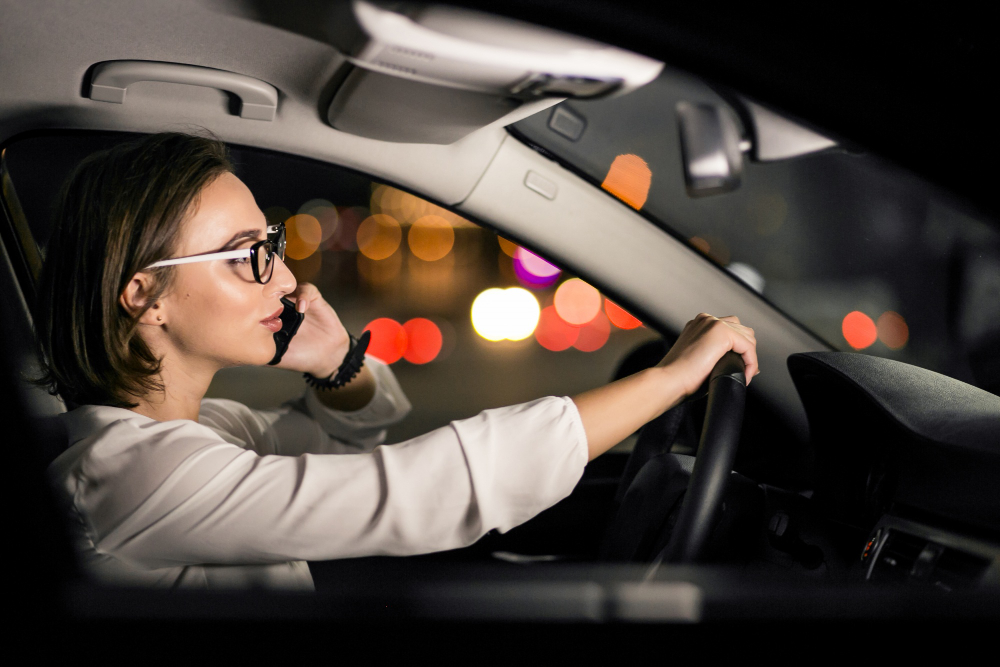
The most common scenario isn’t about recklessness. It’s usually just “a moment of inattention”: a conversation, navigation, a traffic jam, and suddenly you follow the car in front of you. It only takes your front wheels crossing the stop line when the light is red for the offense to be complete.
Typical mistakes:
- Starting off “behind someone” without checking the traffic light
- Turning right on red without making sure it’s allowed (in many places it’s not)
- Accelerating at the end of a yellow light, which turns red as you enter the intersection
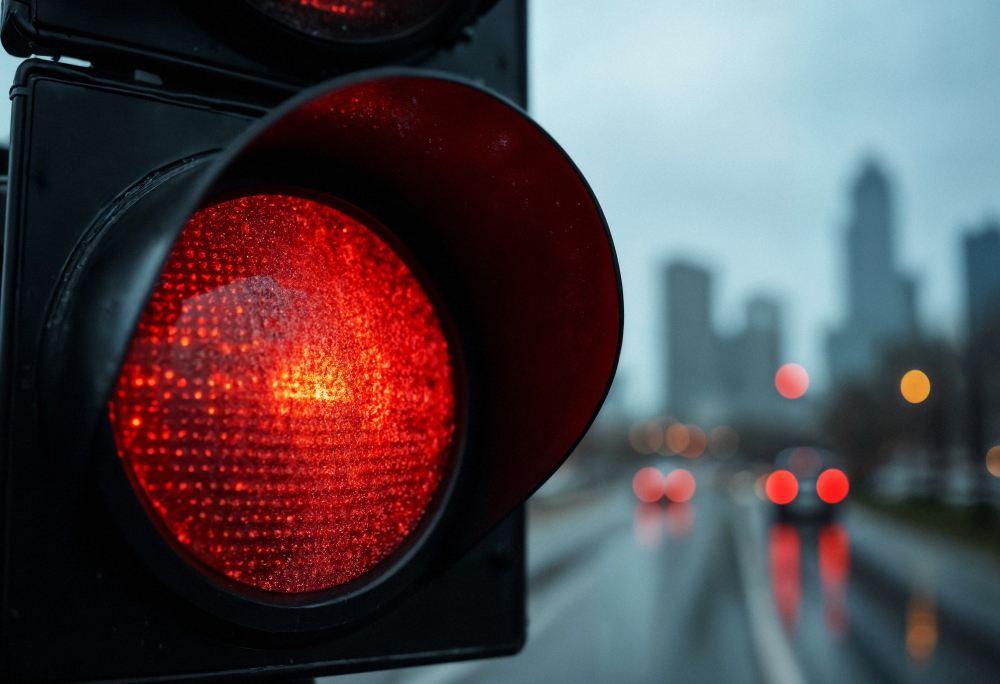
If you break the law and run a red light, a standard fine is 500 PLN and 15 penalty points (as of 2026). If such a maneuver causes a collision, the penalty can increase to 1,500 PLN, so “saving a second” can turn out to be really expensive.
Running a Red Light: When Are the Consequences Most Severe?
The harshest penalties apply to situations with real accident risk: large intersections, pedestrian crossings with signals, and railway crossings. In particular, running a red light at a railway crossing is treated very seriously due to the potentially tragic consequences of a collision.
The most severe fines appear at tracks: a red-light violation at a railway crossing is 2,000 PLN, and for repeat offenses within two years – 4,000 PLN. In extreme cases (gross endangerment to safety), the matter may go to court, where a penalty of up to 30,000 PLN can be imposed.
How Many Points for Running a Red Light and Why Does it Matter in Practice?
For many drivers, the biggest problem isn’t the one-off fine, but the penalty points. If you drive often in the city (e.g. transfers, airports, meetings), the risk of accumulating points increases. That’s why it’s worth treating traffic lights as a part of “risk management”: fewer rash decisions means fewer unnecessary consequences.
LuxDrivers pro tip: maintain a greater distance before the intersection. You’ll then have more time to calmly decide whether to brake or proceed on yellow if stopping would be dangerous.
New Red Light Ticket Fine Schedule – What Does it Mean for Drivers?
The phrase “new red light ticket fine schedule” keeps coming up, because drivers feel that the old “it’ll be fine” no longer works. Today, even a single ticket for running a red light can be felt, and with repeat offenses, the problem gets serious (costs, penalty points, and sometimes even work consequences if you drive professionally).
Table: Quick Risk Checklist
| Road Situation | Ticket Risk | How to Minimize Risk |
|---|---|---|
| Approaching at the end of green | Medium | Ease off the gas earlier, watch the light and pedestrians |
| Going through on orange (amber/yellow) | Variable | Proceed only if braking would be dangerous |
| Entering on red (intersection) | High | Stop before the line, don’t follow others blindly |
| Red light camera fine | High in monitored zones | Treat large intersections as potentially “monitored” |
What Does a Red Light Camera Look Like?
Drivers ask what a red light camera looks like because they want to know “if it’s really a camera.” Most often it’s a system of cameras monitoring the approach and the intersection area, operating in connection with the traffic signal. The footage typically shows key moments: the red signal and the moment of crossing the stop line and entering the intersection.
In practice: if you drove through on red, there’s a good chance the system caught it – and the photos/frames are taken so there’s no doubt about the signal and your car’s position.
Where are the cameras recording red light violations?
There’s no single “guaranteed map,” as systems can appear in new locations. Most often, you’ll find them at:
- broad city thoroughfares,
- intersections with heavy traffic,
- places with a history of collisions.
If you drive in various cities, follow a simple rule: treat every large intersection as if it’s monitored, so always make decisions as if there’s a camera present.
You can also check the current list of devices on the CANARD website.
How long does it take to receive a ticket for running a red light?
This question comes up whenever someone suspects they “slipped through” at an intersection. How long does it take to receive a ticket for running a red light? It depends on procedures and whether the driver needs to be identified. Usually, it’s a matter of weeks, but it can take longer if there’s correspondence and paperwork involved.
What to do if you receive a letter:
- Don’t ignore deadlines (that’s the worst scenario)
- Verify the details: location, date, time, license plate number
- Determine who was driving, as the further course of the case depends on this
Ticket for a red light, but “it was yellow”
Going through a yellow (amber) light is only legal if it’s not safe to stop. If you had the space and time to brake safely, but you still sped up—in the event of recording or inspection, you might be told that this was considered running a red light (because the red light came on before you crossed the line).
The safest habit: watch not only the lights but also the stop line. That’s the “boundary” you shouldn’t cross on red.
Summary
A ticket for running a red light is now a real expense, and penalty points can hurt even more—especially if you drive a lot. There’s also the camera-issued red light ticket, which can arrive after a delay and take you by surprise, long after you’ve forgotten the incident.
If you want calm, predictable rides, check out LuxDrivers and see how we organize transport so you don’t have to risk it or “race” around the city.

luxury today!
Our rental vehicles
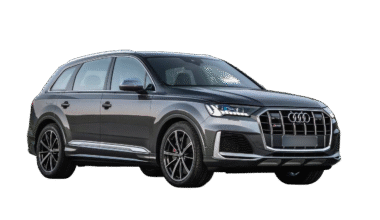 Audi Q7
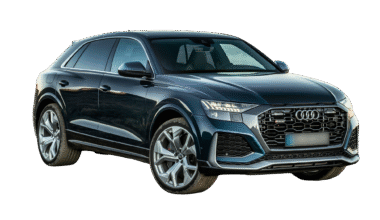 Audi Q8
 Mercedes E-Class
 Mercedes S-Class
 Mercedes V Class – rental