How do you drive an automatic? It’s simple and convenient: you only have two pedals, and the transmission selects the gears for you, so your job is to smoothly operate the accelerator and brake in D mode, and to use the P/R/N positions appropriately in different situations. It’s worth learning the PRND symbols, practicing smooth starts, and avoiding habits from manual driving to ensure safety and prevent excessive wear of the gearbox.
Pedals in an automatic
- An automatic has two pedals: a wide brake on the left and the accelerator on the right; there is no clutch.
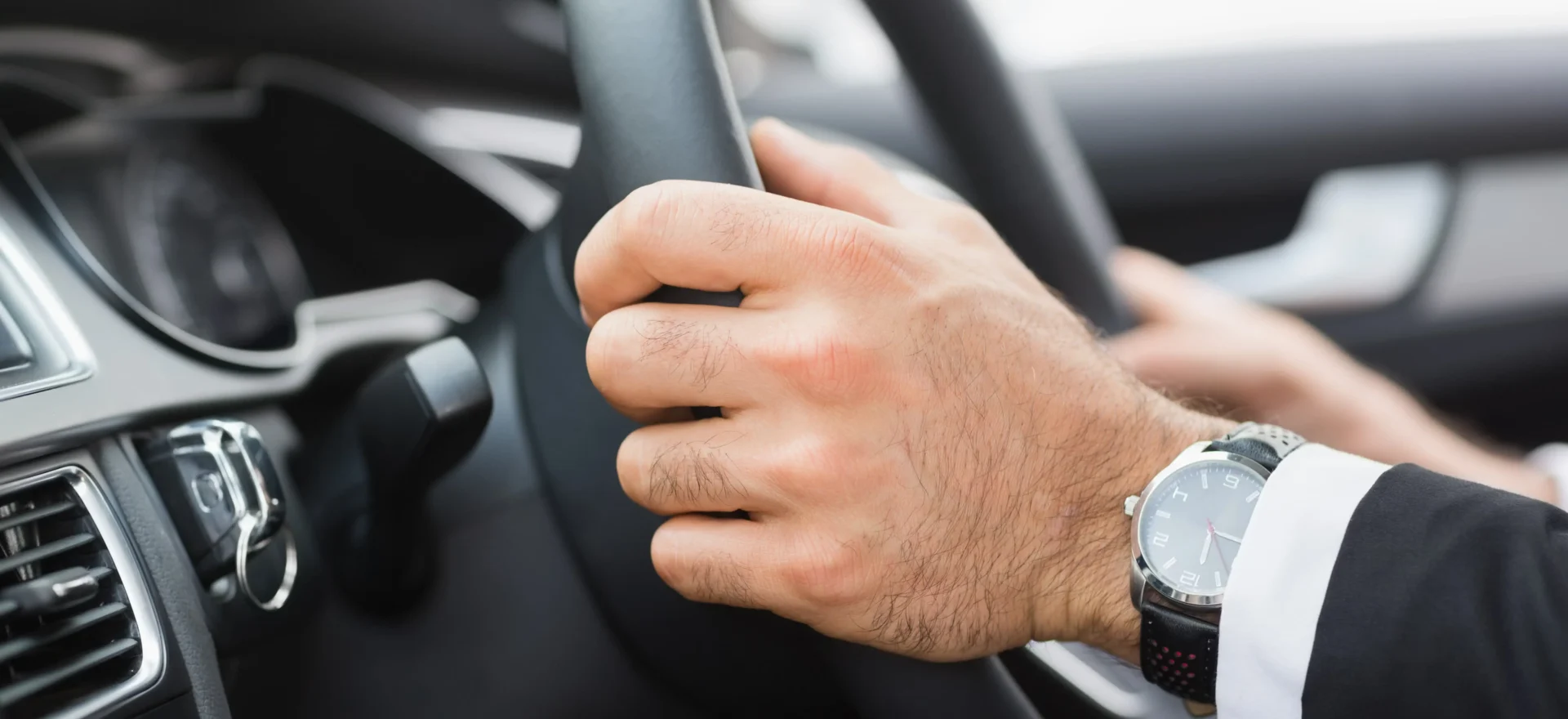
- Always use only your right foot for both pedals, resting your left foot on the footrest to avoid instinctively pressing the brake as if it were a clutch.
- The car in D mode “creeps” when you release the brake, so keep the brake pressed at stops and during maneuvers.
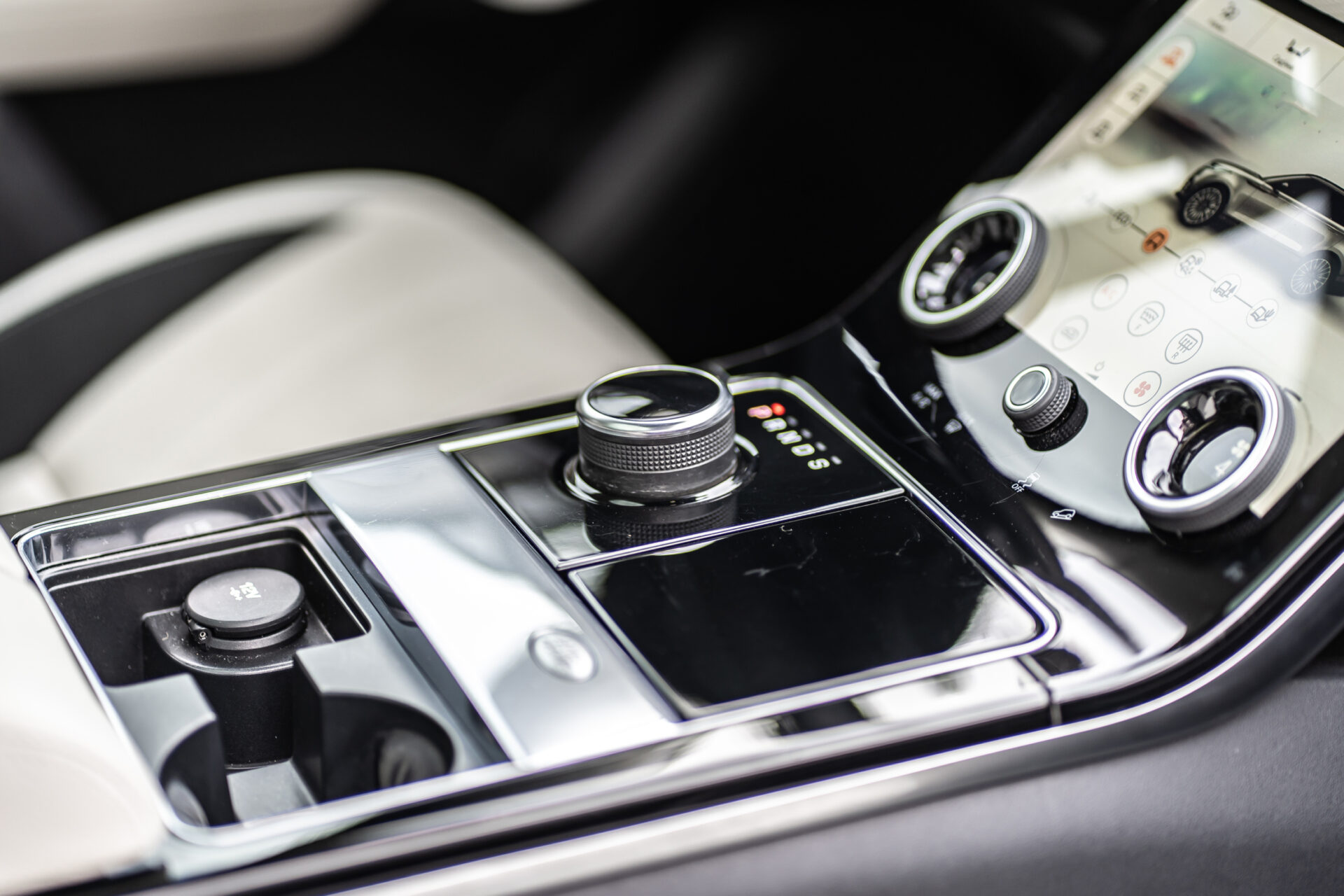
Transmission symbols: PRND and more
- P (Park) – locks the mechanism after stopping and applying the brake, used for standing and parking.
- R (Reverse) – reverse gear only after the car has come to a complete stop; engage with the brake pressed.
- N (Neutral) – neutral for short rolling/service; not for coasting in traffic or driving downhill.
- D (Drive) – standard forward driving, the gearbox shifts gears automatically depending on load.
- Extras: S/Sport – later gear changes and higher revs; L/“1–3” – low gears for steep descents or towing; winter W and +/- for sequential gear changes.
How to start driving an automatic step by step
- How to drive an automatic? Press the brake, start the engine, select D (or R to reverse), release the brake, and gently press the accelerator – the car will start moving without “releasing the clutch”.
- At traffic lights, keep the brake pressed in D; for longer stops, use P after coming to a complete stop and engaging the parking brake.
- Start smoothly, without flooring the accelerator – this protects the transmission and reduces fuel consumption.
How to “shift gears” in an automatic
- In D mode, the gearbox selects the gears itself depending on speed, revs, and throttle depth.
- Avoid switching between P/R/N/D while the car is rolling – always change modes only after a full stop with the brake pressed.
- Kickdown (pressing the accelerator hard) forces a downshift, useful for overtaking, but use with care. This explains the best way to drive an automatic.
Manual shifting in an automatic
- Many cars offer a sequential +/- mode or steering wheel paddles for manual gear selection.
- The manual mode works step by step, without skipping gears; it’s useful for overtaking, on descents, or when you want to use engine braking.
- Paddles usually activate in D after pulling; after a moment without use, the system returns to full automatic mode depending on the model.
Rent your luxury car and hit the road!
Good habits – how to drive an automatic economically
- Accelerate smoothly, maintain a steady speed, and use cruise control – this reduces fuel consumption and ATF temperature.
- Do not put it in N at lights or when going downhill; the gearbox already “disconnects,” and N takes away engine braking and may cause damage.
- Stop the car with the brake, and only then select P; don’t “support” the car’s weight on an incline in P position.
Should you use your left foot?
On a daily basis, no – the right foot operates the gas and brake pedals, which is safer and more natural.
Will the car “creep” by itself?
Yes, in D, when you release the brake, the car moves forward without pressing the gas, making maneuvers easier.
Does S mode damage the gearbox?
Not by itself, but frequent driving at high RPM increases temperatures and wear – use it wisely.
What not to do when driving an automatic transmission
- Do not switch from D to R (and vice versa) before the car comes to a complete stop – this is deadly for the gearbox and clutches.
- Do not “rev” the engine while stationary and do not tow without the manufacturer’s approval; many automatics do not allow towing.
- Do not neglect ATF servicing – regular oil changes as recommended will significantly extend the transmission’s life.
Table: PRND – quick reminder
| Position | Use | Key principle |
|---|---|---|
| P | Park, lock | Use after stopping and with the parking brake |
| R | Reverse | Engage only after a complete stop |
| N | Neutral/service | Don’t use for coasting downhill or at traffic lights |
| D | Drive forward | Gentle acceleration, transmission shifts gears automatically |
How to correctly use P, R, N, D positions when stopped
In short: for a brief stop, keep the lever in D and hold the brake; use R for reversing only after a complete stop; N is not for “resting” at traffic lights; use P only after finishing your drive and engaging the parking brake, especially on slopes.
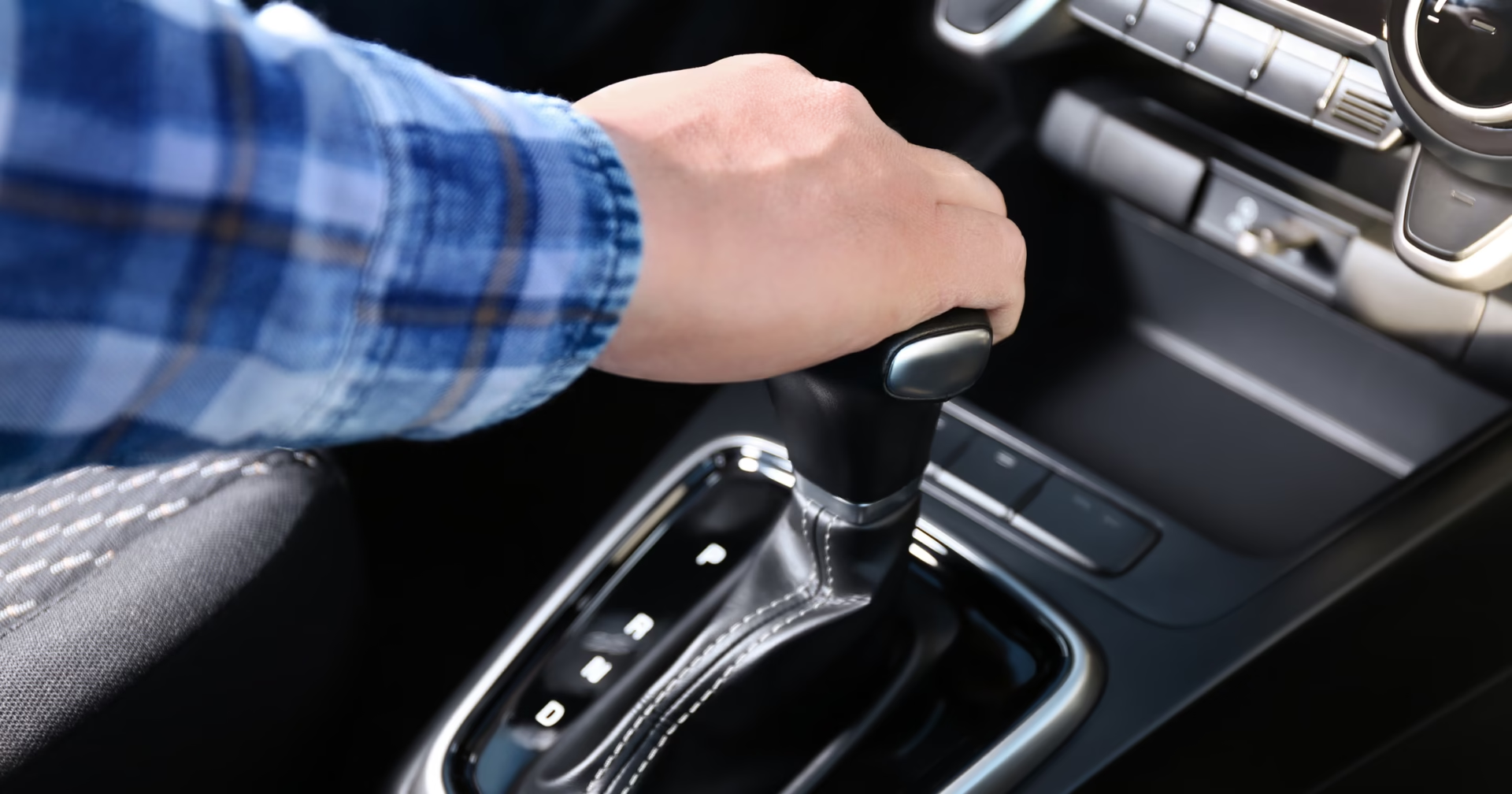
Below is a short guide: how do you drive an automatic?
1. D position when stopped
- At traffic lights and in traffic jams, keep the lever in D and hold the brake to prevent the car from “creeping”; frequent switching D↔P or D↔N at short stops accelerates wear of transmission components.
- Avoid shifting to N at lights – the transmission minimizes load anyway, and N removes engine braking and offers no benefits in this scenario.
2. R position for maneuvers
- Only engage R after the car has fully stopped and with the brake pressed; switching D↔R while the car is moving can damage the clutches and gearbox.
- After reversing, switch back to D only once the car has stopped; this is a key habit for prolonging the life of your transmission.
3. N position – when does it make sense
- N is for neutral in special cases: short rolling, servicing, specific towing procedures; most automatics must not be towed over longer distances without manufacturer approval.
- Do not use N for coasting downhill or “resting” at lights – it’s dangerous and not efficient; keep D and hold the brake.
4. P position – after finishing your drive
- P is for parking and locks the mechanism, so only engage it after a full stop; switching to P while moving, even slightly, can damage the lock.
- On slopes: keep the brake pedal pressed → apply the parking brake → only then switch to P, so you don’t “hang” the car’s weight on the gearbox lock and avoid jerking when releasing P later.
Practical scenarios: how to drive an automatic
- Short stops/traffic: D + brake; don’t shift to N/P unless necessary.
- Parking maneuvers: stop → R for reversing or D for moving forward; only change direction from a complete stop.
- Parking on a flat surface: stop → parking brake → P → turn off the engine.
- Parking on an incline: stop → press the foot brake firmly → engage the parking brake → gently release the foot brake so the car “sits” on the handbrake → P → turn off the engine.
Most common mistakes to avoid
- Shifting D↔R without coming to a complete stop – high risk of damage.
- Engaging P while the car is still rolling – may break the parking lock.
- Using N at traffic lights or when going downhill – no benefit and reduced safety.
In short: D for short stops, R only from standstill, N for emergencies/servicing only, P only after stopping and with the handbrake, especially on a slope.
Summary
An automatic makes life easier if you stick to the basics: right foot for brake and gas, know your PRND, drive smoothly and never switch modes “on the go”. That’s the fundamental rule of driving an automatic. Want to put these rules into practice? Book a training drive with a LuxDrivers instructor and master the automatic in an hour – stress-free and without bad habits.
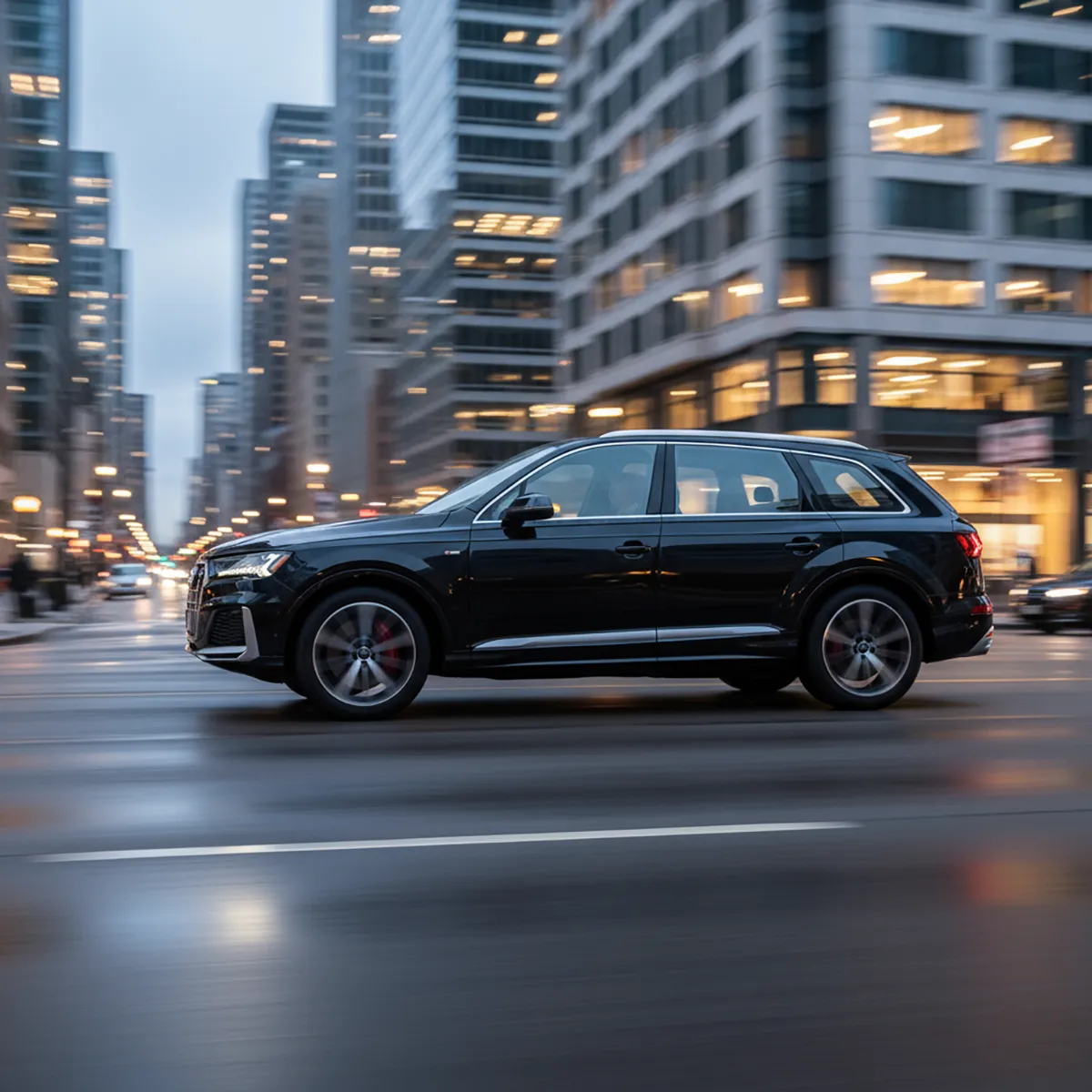

luxury today!
Our rental vehicles
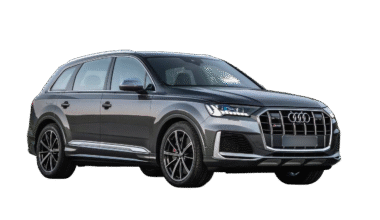 Audi Q7
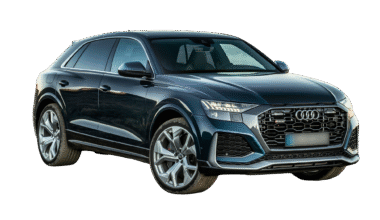 Audi Q8
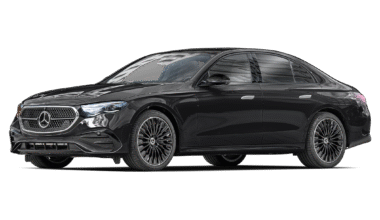 Mercedes E-Class
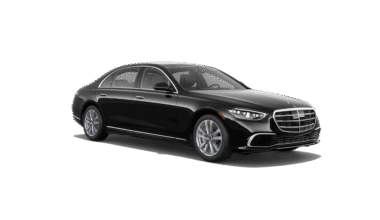 Mercedes S-Class
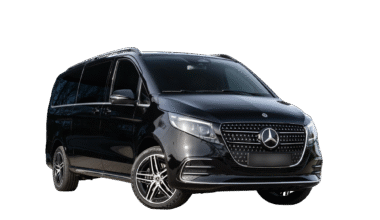 Mercedes V Class – rental