You rent a premium class car, you go on a trip, the roads are empty, the speed just “increases by itself”… and suddenly you think about speed cameras. It’s normal: a new car, different acceleration, sometimes an unfamiliar route. The good news is that when it comes to a rental car, you can handle this calmly if you know how the information flow works and why correspondence might arrive “late.”
Below, we explain how long it takes to receive a ticket from a speed camera, what it means in practice, and how the procedure looks when the vehicle belongs to a rental company.
How long does it take to get a speed camera ticket when the car is rented?
In the case of a private car, the letter usually goes directly to the owner. With a rental, the situation is simpler than it sounds, but it has one extra step: the first correspondence often goes to the vehicle’s owner, that is, the rental company, and only then the user (the renter) is identified according to the contract and rental period.
What does this mean in practice?
- The time “from the photo to contact” can be longer, because of the information passing stage
- The rental company may be asked to indicate who used the car
- You may receive the information later than if it were your private car

Speed camera photo: is it even possible to determine who was driving?
A speed camera photo usually identifies the vehicle (license plates, location, time), but not always the driver beyond the shadow of a doubt. That’s why the rental agreement and assignment of the car to a specific client at a specific time are key.
In practice, these are also important questions we often hear:
- Do speed cameras take photos from behind? Yes, some devices work that way
- Do speed cameras always flash? No, so not seeing a flash doesn’t mean anything
- Do speed cameras take photos in both directions? It depends on the model and settings
- From what distance do speed cameras take pictures? Depends on the technology and location
If you drive a premium car, it’s easy to “exceed” the speed limit without even feeling like you’re driving fast—especially thanks to good sound insulation and stable suspension.
How to drive more calmly and avoid stressful situations
The internet is full of tricks and sample solutions. In real life, the best solutions are boring but effective: anticipating situations and controlling your speed.
What works best:
- Set cruise control/speed limiter (in luxury cars this is a huge help)
- Pay attention to sudden changes in speed limits (entering towns, construction)
- Remember the risk at night and in the rain (a speed camera doesn’t care about the weather, but you should)
- Treat the current speed camera map as support, not a “license to go faster”
If you have doubts, you can use the instructions and check your penalty points.
What if another driver was behind the wheel?
It happens that drivers switch places during a trip (e.g., traveling together). When renting, it’s worth handling the paperwork in advance: if the rental company allows an additional driver, add them to the contract. This makes things much simpler when correspondence arrives later.
The simplest rule: drivers listed on the contract = less stress with paperwork.
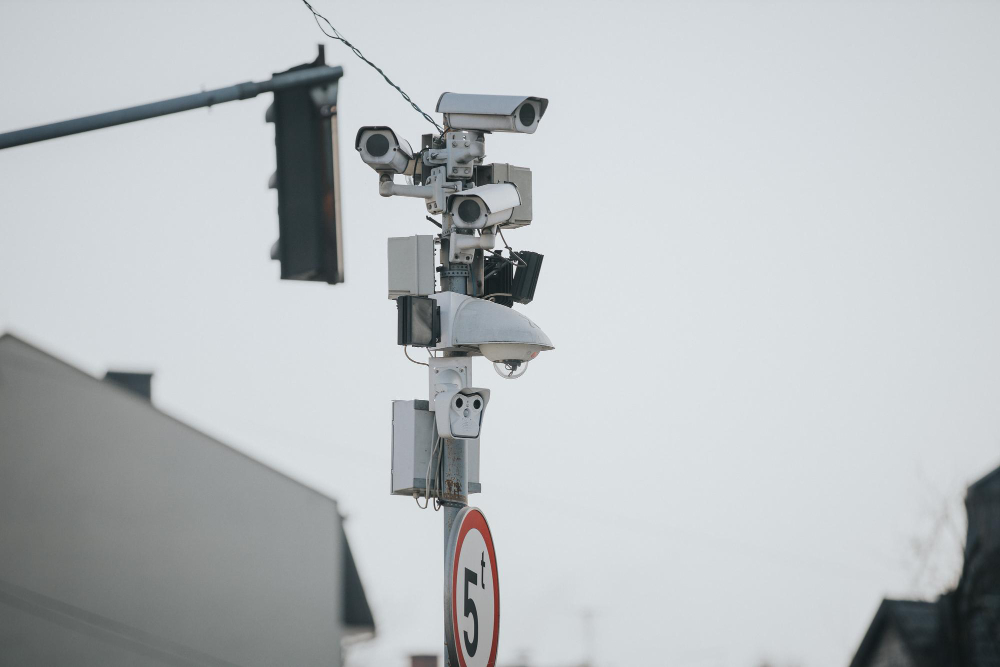
How to correctly pay the fine and what about fees at the rental company?
Always follow the details and instructions from the correspondence (account, identifier, deadline). For a rental car, remember that the rental company may charge an administrative fee for handling the correspondence and indicating the user—this is standard market practice and usually specified in the agreement.
It’s worth making a simple checklist:
- Check the rental period and who was driving on a given day
- Collect confirmations (e.g., reservation, route, times)
- Respond to letters on time
- Pay only based on official correspondence, not “by guesswork”
What does the letter and section B look like?
If you receive documents to fill out, they may contain sections such as “section B”. In short: it’s about providing the correct details of the person the matter concerns (depending on the letter). Most important: enter the information legibly and according to the document, and make a copy for yourself before sending it back.
Speed camera sign, mobile speed camera, and map: what’s really useful?
On intercity routes, more than just the roadside pole matters. There are also mobile speed checks and stretches where speed limits change dynamically.
What’s good to keep in mind:
- The speed camera sign informs you, but isn’t a substitute for checking speed limits
- A mobile speed camera can appear in spots with “no history”
- A current speed camera map helps, but doesn’t give 100% certainty
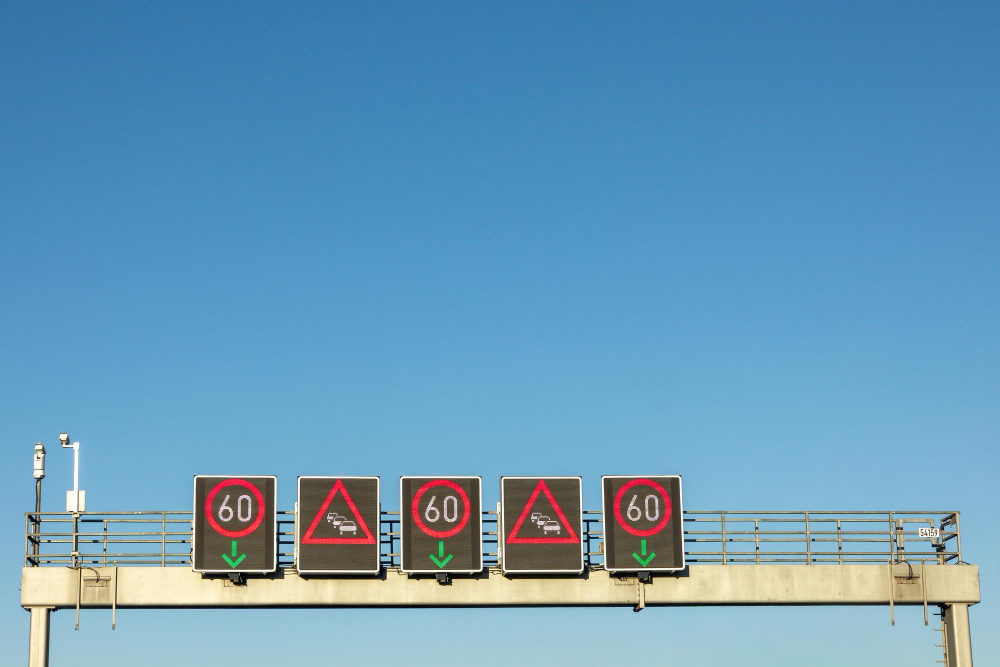
Table: most common customer questions
| Question | Brief answer |
|---|---|
| How long does it take to receive a fine when renting? | Often longer, because the letter first goes to the car owner (the rental company) |
| Does the speed camera always flash? | No |
| Does the speed camera take pictures from behind? | Some devices do |
| What if someone else was driving? | It’s easiest when an additional driver is listed in the contract |
Summary
Correspondence about a fine can first go through the vehicle owner and only then reach the user. If you want to drive with more peace of mind, set cruise control/speed limiter and treat maps as support, not as a workaround plan.
If you’re planning to rent with Luxdrivers.pl and want to choose the perfect car for your trip (comfort, driving assistants, adaptive cruise control), contact us—we’ll advise you on the model to suit your driving style and destination.

luxury today!
Our rental vehicles
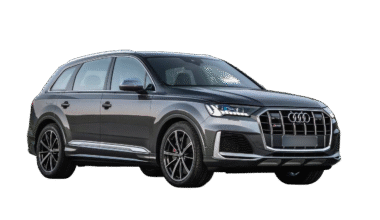 Audi Q7
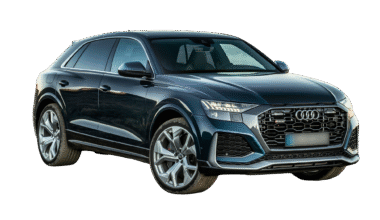 Audi Q8
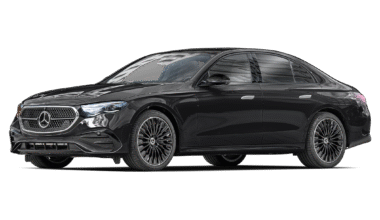 Mercedes E-Class
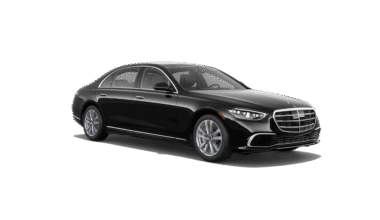 Mercedes S-Class
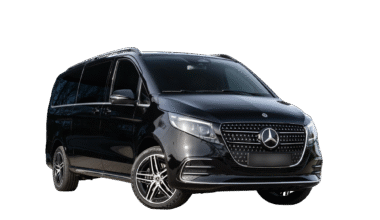 Mercedes V Class – rental