Safety and smooth driving start at the pedestrian crossing. Clear rules mean less stress, no fines, and better passenger comfort. Below you’ll find a practical guide: when pedestrians have the right of way, what to do with signals, islands, and when it’s safe to move on.
When pedestrians have the right of way
A pedestrian has the right of way when they are on a pedestrian crossing or approaching it with a clear intention to enter. For the driver, this means letting off the gas earlier, exercising particular caution and being ready to stop. In residential zones, pedestrians always have priority, so your speed should be significantly lower.
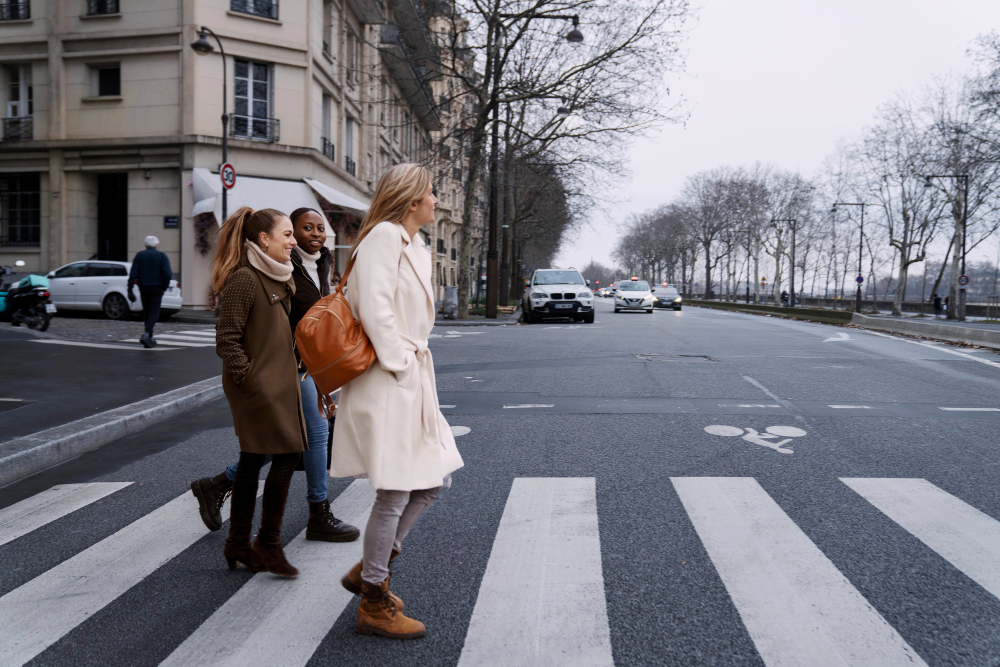
Pedestrian crossing – key regulations
As you approach a crossing, slow down and watch your surroundings: curbs, bus stops, vehicles blocking your view. Overtaking before or on a pedestrian crossing is forbidden – this is one of the most common mistakes that ends with a fine. Smooth, predictable braking improves passenger comfort and the assessment of your driving. Current regulations.
Do pedestrians have right of way at traffic lights?
With traffic signals, pedestrians follow the lights—a red signal means no right of way. A green conditional arrow for cars always requires you to stop and yield to pedestrians at the crossing. Remember trams as well—pedestrians do not have right of way over them, so be extra alert near tracks.
Pedestrian on the crossing – when can you drive off?
Move on only when the crossing on your part of the road is actually clear: the pedestrian has left the crossing or is standing on the island with no intention of entering your lane. The “certainty second” rule always applies—don’t rush if the situation is unclear; it reduces risk and stress.
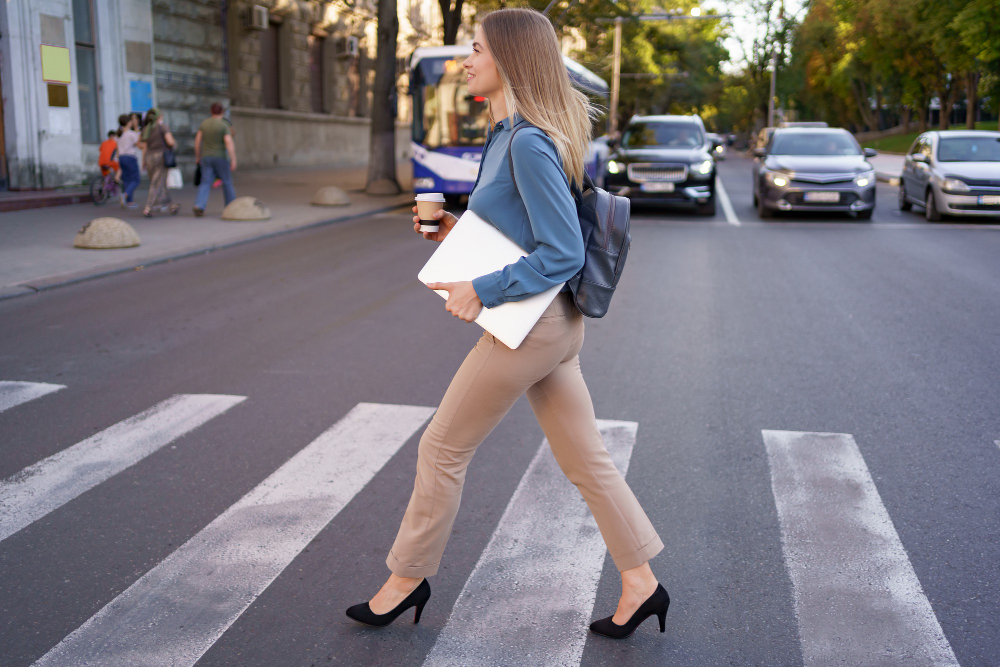
Pedestrian crossing with an island (refuge)
A refuge divides the crossing into two stages: the right of way applies to the carriageway the pedestrian is currently crossing. If they are standing on the island and not entering your lane, you may go – but remain ready to brake. In heavy traffic, use a wide field of view, as pedestrians may be obscured.
When pedestrians do not have priority
Pedestrians do not have the right of way when they run onto the crossing, step directly in front of an oncoming vehicle, or ignore a red light. Still, the driver’s job is to drive defensively: slow down, warn, and avoid a collision, even if technically it’s not your fault.
Most common mistakes at crossings and how to avoid them
The two most common mistakes drivers make are moving off while a pedestrian is still crossing diagonally from the vehicle, and passing a car that has stopped to give way—both behaviors significantly increase the risk of hitting a pedestrian. A proven practice is the “golden second”: wait a brief moment after the pedestrian disappears from your lane, visually confirm no one is running out from behind an obstruction (bus, delivery van, advertisement), and then move off smoothly. In heavy traffic, use a wide scan: check sidewalks on both sides, the refuge/island, and tram tracks, and keep your approach speed at a level that lets you stop the car smoothly—passengers will appreciate it and you avoid rushed maneuvers and potential fines.
Premium standard driving etiquette
- Slow down earlier and brake gently – no jerky stops.
- Maintain eye contact and clearly communicate with a “please” gesture.
- Avoid using the horn – silence is part of comfort.
- Move off smoothly – passengers will feel the difference.

Approach technique during rush hour
Apply the “rule of three”: ease off the gas early, scan the surroundings widely, and brake gently. When a pedestrian is approaching the crossing, maintain 20–30 km/h and keep your foot above the brake. Don’t try to squeeze ahead of the pedestrian – letting one person cross can often prevent a chain of stops and save time throughout the cycle.
Table – quick decisions at a crossing
| Situation on the road | What the driver does |
|---|---|
| Pedestrian is approaching the crossing with a clear intent to cross | Slow down, prepare to stop, yield |
| Pedestrian on the crossing on your carriageway | Stop and let them pass |
| Pedestrian standing on the island and not stepping into your lane | Proceed with caution, ready to brake |
| Signal: green conditional arrow for cars | Stop and yield to the pedestrian |
| Limited visibility (bus, ads, dusk) | Reduce speed, brake earlier, observe widely |
Summary
Good manners at crossings mean less stress and more comfort – for you, your passengers, and pedestrians. Focus on anticipation and smoothness, and every route will be safe and pleasant. Take care of your driving standard, and it will pay off every day. Check out our fleet and rent your car now!

luxury today!
Our rental vehicles
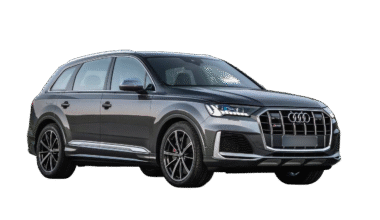 Audi Q7
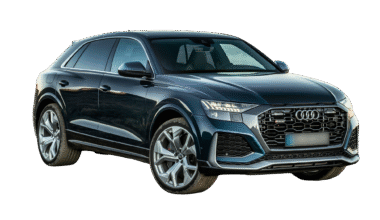 Audi Q8
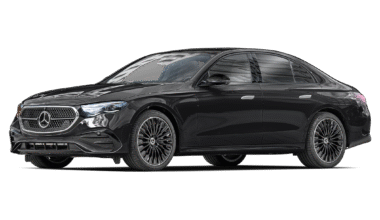 Mercedes E-Class
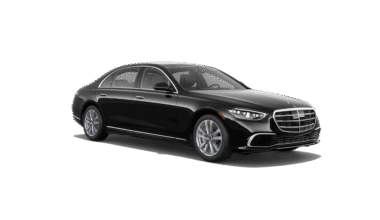 Mercedes S-Class
 Mercedes V Class – rental